Embracing the analogue renaissance
I feel uncomfortable about AI for a number of reasons and they’re probably not ones you might think.
Firstly, let me start off by saying that I don’t see myself as a neo-luddite and am happy to embrace technological change, especially if I feel it can benefit mankind. And in the case of AI there are clearly many benefits, some real and others perhaps less so, though with one important caveat. As it continues to be rolled out, it is becoming increasingly clear that more and more of us are going to find our livelihoods threatened.
The prospect of people across many walks of life being suddenly out of work is a truly frightening one and needs to be addressed. Instead, all we hear about is the need to adapt, whatever that may mean, to the new reality we find ourselves in.
Still more worryingly, there is little if any discussion about the effect that AI is starting to have on our behaviour. Close to 1 billion people worldwide now turn to chatbots such as ChatGBT, Gemini and Claude if they are looking for general information, or Deepseek, Grok and Perplexity for something more specialised – these are just some of the main ones, there are many others out there – and in the process starting to lose the ability to think for themselves.
What is more, they are accepting almost everything they are told by chatbots as being true, although that is clearly not the case.
Geoffrey Hinton, a British-Canadian Nobel Prize winner often referred to as the “godfather of AI”, has been vocal in warning of the dangers now faced by humanity. He feels we are still at the stage where we can influence how AI develops, especially through strong regulation, but if we can’t work out a solution when it is much smarter and more powerful than us it there is a 10-20% chance it will wipe us out.
This is clearly frightening, coming from someone widely recognised as a pioneer of the technology, and should be taken seriously. Unfortunately, as individuals we have to accept that the real decisions about A1 are being made by a small group of people, chiefly tech billionaires and CEOs, and we have little if any say in how they will shape our future. We can nevertheless reassert some control over our lives, with one of the best ways of doing so being by embracing at least some elements of a new movement referred to as the “analogue renaissance”.
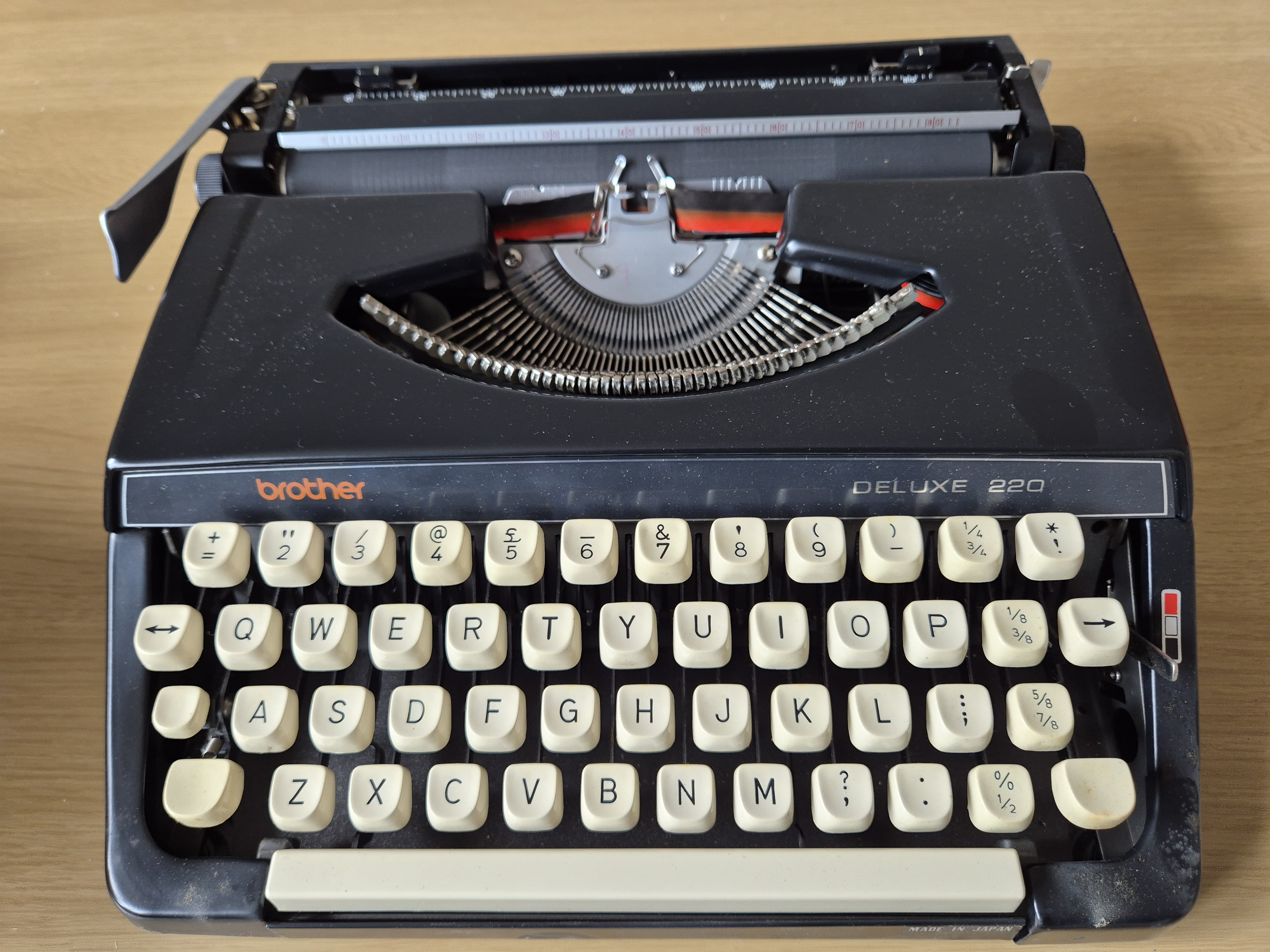
Not an out-and-out a rejection of digital technology, rather a way of “being in it” while also adopting a meaningful way of living, it is seeing people rediscover the enjoyment of owning vinyl records, film cameras and even such things as board games. Putting pen to paper or indeed handwriting a letter rather than sending a text or email are also some of the many ways to discover this “back to the future” experience.
We now find ourselves in a world in which AI is increasingly touted as panacea for all the challenges life throws at us. However, as is becoming increasingly clear, it does not have all the answers.
If any of the above resonates with you and you would like support in your wellbeing journey during these interesting AI times, please reach out.
www.chrisdziadulcoaching.com
© Chris Dziadul, 2026